Roof Repair · Ward, AR
Technicians follow a consistent inspection sequence that covers every accessible area. Findings are recorded on site and reviewed with the property owner before any work begins.
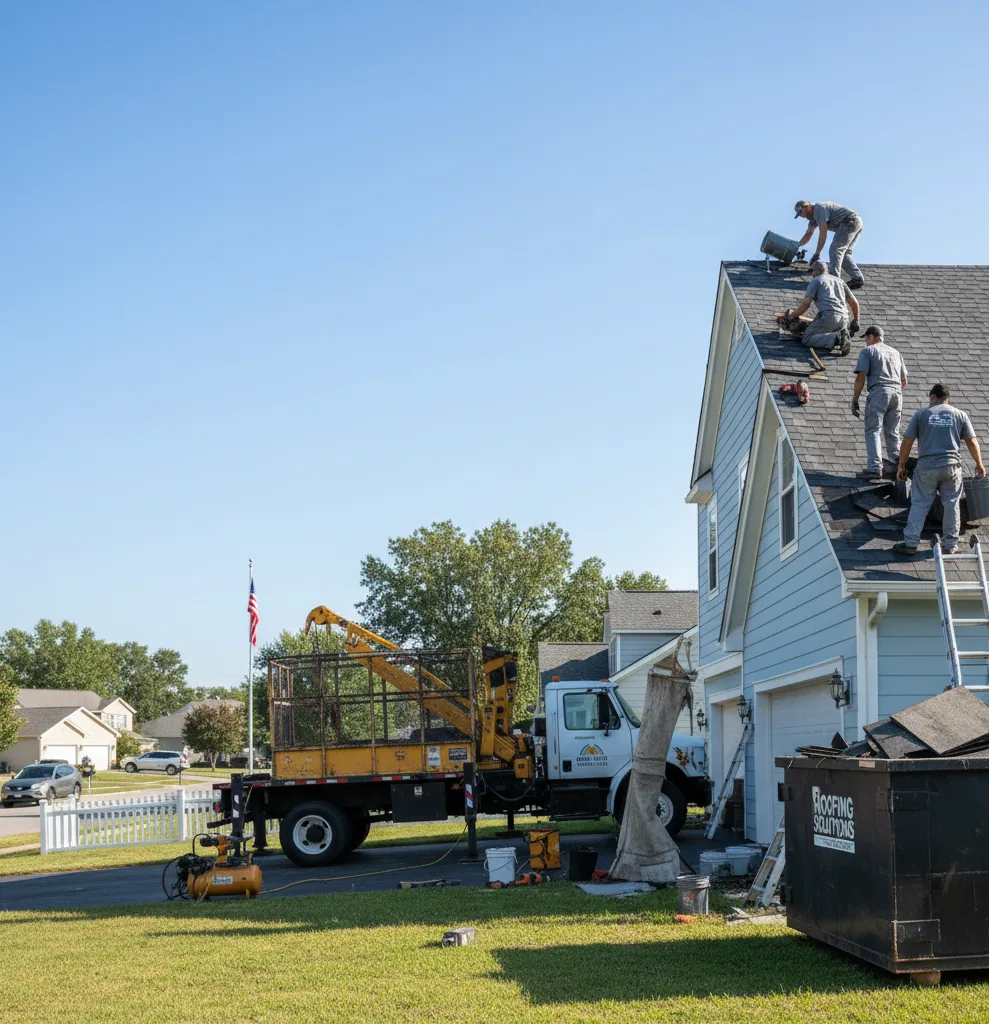
A maintenance visit begins with a systematic walk of the roof surface and an inspection of the attic space when accessible. Technicians look for cracked or missing shingles, deteriorated flashing around vents and chimneys, and areas where water may have pooled. They also examine sealant condition at penetrations and note any sagging or soft spots in the decking. These observations show whether minor repairs can extend the life of the existing roof or whether larger work is approaching. Homeowners can sometimes spot granule loss in gutters or daylight coming through attic boards, but many issues remain hidden until someone climbs up and checks the details directly.
Small problems such as lifted shingles or thinning sealant often precede leaks. During maintenance, these spots receive targeted attention before they allow water intrusion. The process includes clearing debris from valleys and around drains so water continues to flow away from the structure. Technicians may also tighten loose fasteners and replace aged caulk at pipe boots. Keeping records of each visit allows property owners to track how the roof changes over time and plan for eventual replacement with better information about its current state.
The ground beneath any structure plays a role in its long-term integrity. Every home in Ward rests on clay loam. The mineral content of the water supply can influence how certain components hold up.
Ward supplies hard water through its system. Weather conditions place ongoing demands on roofing systems everywhere. The local pattern consists of hot summers and cold winters, heavy rainfall, and 76 nights below freezing. Proper upkeep addresses these environmental factors directly.
FAQ

A surface patch can stop immediate entry but does not always address the path water took to reach that point. An inspection often includes checking the decking beneath the shingles and the condition of nearby flashing. If the underlayment has deteriorated or the leak has traveled along rafters, additional sections may need attention to prevent recurrence in adjacent areas.
Material compatibility, fastening patterns, and sealant choice all play a role in how the repaired area holds up over time. Matching the existing underlayment type and ensuring proper overlap at seams reduces the chance of new entry points forming nearby. Weather exposure after the work also influences longevity, particularly on slopes that receive direct sun or prevailing wind.
Small sealant touch-ups on accessible flashing are sometimes done by owners, but any work above single-story height introduces fall risks and potential warranty issues on the existing roof. Professional crews carry the proper safety equipment and know how to avoid disturbing sound sections while accessing the problem area. A quick assessment can clarify whether the situation requires immediate professional attention or can wait for scheduled maintenance.